

7 Outcomes You Face After Failing a Roadside Drug Test in the UK
Published by Drug Driving Solicitors, specialist defence lawyers for drug driving charges across England and Wales.
Being stopped by police and asked to submit to a roadside drug test is a disorienting experience, whether you were aware that a substance was in your system or the result came as a complete surprise. The moments that follow can feel overwhelming, and for most people, the legal process that unfolds afterwards is entirely unfamiliar territory.
This article walks you through seven key outcomes that commonly arise after a failed roadside drug test in England and Wales. Understanding each stage gives you a clearer picture of what to expect, what your rights are at every turn, and where specialist legal advice can make a meaningful difference to what happens next.
1. The Roadside Device Produces a Positive Reading
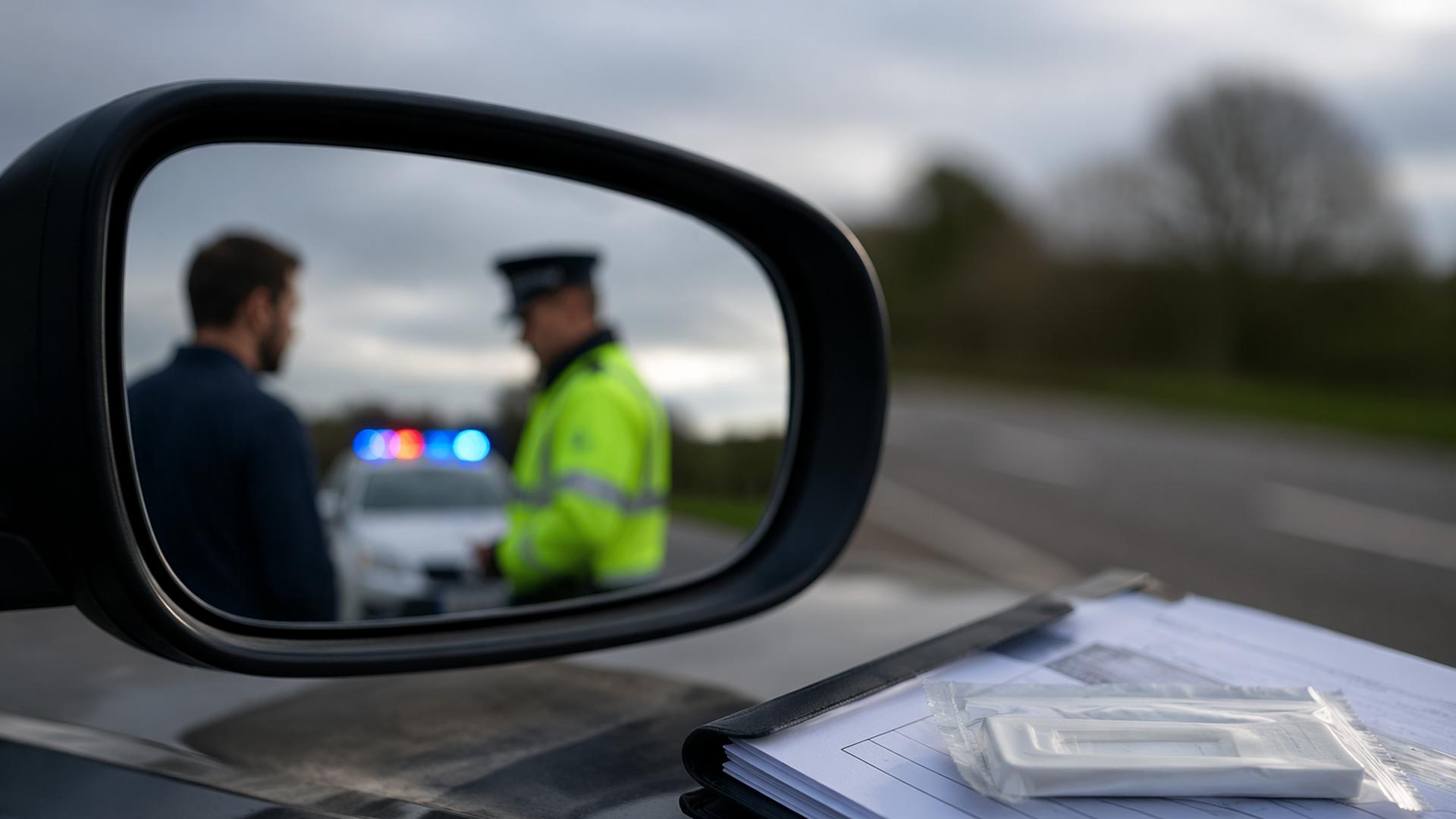
A positive result on a roadside screening device is the point at which a routine traffic stop shifts into something considerably more serious. The devices used by police forces in England and Wales are type-approved by the Home Office and are designed to detect the presence of specific controlled drugs, including cannabis and cocaine, above set threshold levels. A positive reading does not constitute evidence of an offence on its own, but it is the trigger for everything that follows.
It is important to understand what a positive reading actually means at this stage. The roadside device is a screening tool, not a forensic instrument. It indicates that a drug may be present in your saliva at a detectable level, not that you are necessarily over the legal limit. That determination can only be made through laboratory analysis of a blood sample taken under controlled conditions at a custody suite.
At this point, the officer will typically explain your situation and outline the steps they are required to take next. Being cooperative and composed is generally advisable, and you should be aware that anything you say during this interaction may become relevant to any subsequent proceedings.
Key points to keep in mind when a roadside device produces a positive reading:
- The device tests for a specific range of drugs and does not screen for all controlled substances
- A positive roadside reading alone is not sufficient to secure a conviction
- You are entitled to request legal advice at the earliest opportunity
- Remaining calm and polite during the stop is always in your best interests
2. The Blood Sample Is Sent for Laboratory Analysis
Once a blood sample has been taken at the custody suite, it does not remain there. The sample, divided into two parts with one portion retained for potential independent testing by the defence, is sent to a forensic laboratory nominated by the relevant police force. This stage is largely invisible to the person under investigation, but it is one of the most consequential steps in the entire process.
The laboratory analysis determines whether the concentration of any controlled drug in the blood exceeds the legal limits set out in the Road Traffic Act 1988 and its associated regulations. These limits vary by substance and some, such as those for cannabis and cocaine, are set at extremely low levels. Others, including certain prescription medications, have higher thresholds. The precision of the analysis, and the conditions under which it is conducted, matters enormously.
This is also the stage where defence solicitors begin to look closely at the chain of custody for the sample, the accreditation of the laboratory, and the methodology used during analysis. Any irregularities identified at this point can have significant implications for the strength of the prosecution's case. It is one of the clearest reasons why instructing a specialist solicitor early in the process is so beneficial.
Things that commonly happen during the laboratory analysis stage:
- The sample is logged and stored in controlled conditions to preserve its integrity
- Analysis is conducted against the specified limits for each drug detected
- A formal toxicology report is prepared and submitted to the relevant police force
- The timeline can vary from several weeks to several months depending on laboratory workload and capacity
3. Your Case Is Heard at the Magistrates' Court
If a charge is brought, drug driving cases in England and Wales are heard at the Magistrates' Court. This is a summary-only offence, meaning it does not proceed before a jury and cannot ordinarily be transferred to the Crown Court for trial. The magistrates, or in some cases a district judge, will decide both verdict and sentence.
The prosecution will present its case based on the police evidence and the toxicology report. The defence will have the opportunity to challenge that evidence, raise any applicable legal defences, and make representations in mitigation if a guilty plea has been entered. The quality of the legal representation at this stage can significantly affect the outcome, both in terms of whether a conviction is recorded and what sentence follows.
Sentencing for a Section 5A drug driving offence carries a mandatory minimum driving disqualification of 12 months, an unlimited fine, and a potential custodial sentence of up to six months for a first offence. The actual sentence will depend on the specific circumstances of the case, any aggravating or mitigating factors, and the defendant's personal history. Specialist legal representation gives you the best opportunity to ensure your case is presented in the most favourable and accurate light.
What the Magistrates' Court stage typically involves:
- An initial hearing at which the charge is put and a plea is entered
- Case management directions if a not-guilty plea is entered, leading to a trial date
- Sentencing on the day of conviction or at a later hearing if pre-sentence reports are required
- The possibility of an appeal to the Crown Court if the outcome is disputed
4. The Officer Administers a Statutory Warning
Before requiring you to provide a sample for the roadside screening device, the officer must administer what is known as a statutory warning. This is a formal requirement under the Road Traffic Act 1988 and exists to ensure that you understand what is being asked of you and what the consequences of a refusal or failure may be.
The wording of the statutory warning is prescribed by law and must be delivered correctly. It informs you that you are being required to provide a specimen and that a failure to do so without a reasonable excuse is itself a criminal offence. While it may appear to be a procedural formality, the correct administration of this warning is something that specialist defence solicitors examine very carefully when reviewing the strength of a case.
If the statutory warning was not given at all, or was delivered incorrectly, this can be grounds for a successful challenge to the admissibility of the roadside test result. It is a procedural safeguard that exists for good reason, and courts do take these requirements seriously when they are properly raised by the defence.
The statutory warning stage typically involves the following:
- The officer formally informing you of the requirement to provide a specimen
- A clear explanation that refusal without a reasonable excuse is an offence
- The warning being delivered before the roadside device is administered
- An opportunity for defence lawyers to scrutinise the exact wording used if a challenge is made
5. You Are Arrested and Taken to a Custody Suite
If the roadside screening device produces a positive result, the officer has the power to arrest you and take you to a nearby custody suite. This is standard procedure and does not mean that you have been convicted of anything. The arrest enables the police to take the steps necessary to gather the forensic evidence needed to either support or disprove the suspicion raised by the roadside test.
At the custody suite, you will be processed by a custody sergeant, who will explain your rights and the reason for your detention. You have the right to have someone notified of your arrest, the right to consult privately with a solicitor free of charge, and the right to read the relevant Codes of Practice. Exercising your right to legal advice at this stage is strongly recommended, as the decisions you make in custody can significantly affect your position throughout the process.
The custody suite is also where the more formal aspects of the investigation begin. The police may wish to ask you questions, and you should be aware that you are not obliged to answer without first receiving legal advice. In most cases, waiting for a solicitor before responding to any formal interview is the most prudent course of action available to you.
What typically happens during the custody stage:
- A formal record of your detention is created and your rights are clearly explained
- You are offered access to a solicitor, which you should accept without hesitation
- A healthcare professional is called to carry out the blood sampling procedure
- You may be asked to provide details of any prescribed medication you are currently taking
6. You Are Charged or Told No Further Action Will Be Taken
Once the police have received the laboratory report, a decision will be made about whether to charge you with a drug driving offence. This decision is typically reached in consultation with the Crown Prosecution Service, which applies a two-stage test: whether the evidence is sufficient to provide a realistic prospect of conviction, and whether proceeding is in the public interest.
If the laboratory results confirm that a controlled drug was present in your blood above the specified legal limit, and there are no significant evidential problems with the case, the likelihood of a charge being brought is high. You will be notified either in person, by post, or by being asked to return to the police station. If you have not already instructed a solicitor at this point, doing so without delay is the right and important course of action.
It is also possible that no further action will be taken. This outcome may arise if the laboratory results come back negative or below the legal threshold, if there were procedural failures during the investigation, or if the Crown Prosecution Service concludes that the public interest test is not met. Receiving a no-further-action outcome is a relief, but understanding why that decision was reached can still be valuable.
Key things to be aware of at the charging decision stage:
- The Crown Prosecution Service applies a realistic prospect of conviction test before authorising any charge
- You will be informed of the decision and, if charged, given the opportunity to respond
- A charge triggers formal court proceedings, for which specialist legal representation is essential
- A no-further-action outcome may sometimes follow a well-timed defence intervention or an identified procedural failure
7. A Healthcare Professional Takes a Blood Sample
The blood sample is the cornerstone of any drug driving prosecution. At the custody suite, a forensic medical examiner or another suitably qualified healthcare professional will be called to draw the sample. This procedure cannot be carried out by a police officer, and the law requires that it be performed by an appropriately qualified person in order for the sample to be admissible as evidence.
Before the sample is taken, the officer must again administer a formal warning, comparable to the one given before the roadside test. You will be told that you are required to provide a blood specimen and that a failure to do so without a reasonable excuse is a criminal offence. You will also be offered the opportunity to retain a portion of the blood for your own independent analysis, which you should seriously consider accepting.
The blood sample is divided into two parts. One part is retained by the police and sent for forensic laboratory analysis. The other is offered to you and, if accepted, can be sent to an independent laboratory of your choice. This second portion can be extremely important: it allows your solicitor to commission an independent analysis that may support your defence or identify errors or inconsistencies in the prosecution's evidence.
Key procedural requirements at the blood sampling stage:
- The sample must be taken by a qualified healthcare professional, not a police officer
- A formal warning must be administered before the sample is drawn
- You must be offered your portion of the divided sample before it is sent for analysis
- Any failure to follow these procedures correctly may affect the admissibility of the evidence
Understanding the Full Picture Before You Act
Understanding these seven outcomes gives you a clearer picture of the road ahead, from the initial positive reading at the roadside to a potential appearance before the magistrates. Each stage carries its own procedural requirements, its own opportunities for challenge, and its own risks if navigated without proper legal guidance. The process is detailed, the timeline can stretch over several months, and the stakes are significant, which is precisely why early, specialist advice from solicitors with specific expertise in drug driving law is the most important step you can take.
Frequently Asked Questions
How long does it take from failing a roadside drug test to being charged?
The process typically takes somewhere between two and six months, though it can extend beyond that in some cases. The primary source of delay is the laboratory analysis of the blood sample, which depends on the force's nominated laboratory and the volume of work it is currently handling. Once the toxicology report is received, the charging decision is usually made relatively promptly. If you have not heard anything within six months of the incident, it is worth seeking specialist legal advice to understand your current position.
What are the most common reasons drug driving charges are dropped?
The most frequent grounds include: failure to administer the statutory warning correctly before requiring the roadside swab; use of a device that was not type-approved for the specific drug in question; problems with the blood sample's chain of custody; failure to offer the defendant their portion of the divided blood sample; errors during laboratory analysis; and an unlawful stop or search at the outset. A specialist solicitor will review all of these points as a matter of course, not just the headline blood test result.
What happens if I refuse to give a blood sample at the custody suite?
Refusing to provide a specimen without a reasonable excuse is itself a criminal offence under Section 7A of the Road Traffic Act 1988, carrying the same potential penalties as a drug driving conviction, including the mandatory 12-month driving ban. Reasonable excuses are very narrowly defined in law, and a medical reason must be supported by appropriate evidence. You should not refuse without first speaking to a solicitor.
Will a drug driving conviction affect my employment?
A drug driving conviction can have serious implications for your employment, particularly if your role involves driving, holding a professional licence, or passing security clearance checks. The mandatory disqualification will be recorded on your licence and visible to employers and insurers who check the DVLA database. If you work in healthcare, education, law, financial services, or the transport sector, your regulatory body may need to be notified of the conviction. A specialist solicitor can advise you on the specific disclosure obligations that apply to your profession before you enter any plea, so that you can make a fully informed decision.
What if the drug found in my blood was prescribed by my doctor?
A statutory medical defence exists under Section 5A(3) of the Road Traffic Act 1988 for drivers who can demonstrate that the drug was prescribed or supplied to them, that it was taken in accordance with medical advice, and that their driving was not impaired. The defence is available but is narrower than many people assume. It must be properly evidenced and correctly presented before the court. Drug Driving Solicitors has specific expertise in prescription medication drug driving cases.
What is a DG10 and how long does it stay on my licence?
DG10 is the DVLA offence code for driving or attempting to drive with a controlled drug above the specified limit, which is the standard Section 5A offence. It is recorded on your driving licence for 11 years from the date of conviction and is visible to any insurer who runs a check against the DVLA database. Insurance premiums typically increase significantly following a DG10 conviction. A specialist solicitor can advise on the full implications of a DG10 for your specific circumstances, including any impact on employment or international travel.
Drug Driving Solicitors is a specialist law firm representing clients in drug driving cases throughout England and Wales. If you have received a positive roadside drug test result and want to understand where you stand, contact the team for a free initial consultation or visit drugdrivingsolicitors.co.uk. Getting advice early costs nothing and can make a significant difference to how your case unfolds.